
Tehran's Grip on Caracas
Military, Technology and Energy
Iran has become a strategic and invaluable ally of the regime, providing cooperation across several key sectors. In return, Venezuela has integrated itself into Iran's sphere of influence, collaborating in the propagation and financing of illicit activities linked to Islamist terrorist groups in Latin America.
The Report
Both regimes actively cooperate in schemes designed to evade international sanctions, within the framework of a strategy known as the "resistance economy."
Iran's growing presence in Venezuela represents a significant geopolitical threat to hemispheric security, with a particularly strong impact on U.S. interests.
20 Years of Agreements
Over the past 20 years, more than 400 agreements have been signed, primarily covering the energy, defense, and technology sectors.
Energy Cooperation
Iran has played a key role in the recovery and expansion of Venezuela's oil production.
In recent years, Iran has supplied the Venezuelan regime with refinery reactivation equipment, essential diluents to process heavy crude, and gasoline shipments to meet domestic demand.
In exchange, the Maduro regime sent Iran shipments of crude oil and illicit gold extracted from the reserves of the Central Bank of Venezuela (BCV), using commercial flights operated by Mahan Air and Conviasa, both on direct routes and via international connections. This scheme has been identified as the "gold-for-oil" mechanism.
Gold-for-Oil Exchanges
Defense Cooperation
Defense cooperation represents one of the main sources of concern for the United States and countries in the region, due to the growing deployment of Iranian military personnel and technology, as well as the training of Venezuelan armed forces.
Iran is Venezuela's second-largest weapons supplier.
Weapons Transfer
Iran supplies the regime with missiles, defense systems, radars, and naval vessels.
Drones
Iran's drone program in Venezuela constitutes the primary military threat to the region.
Military Training
Units of the Islamic Revolutionary Guard Corps operate in Venezuela and participate in the training of Venezuelan armed forces.
Drone Program in Venezuela
Currently, Venezuela operates two types of drones based on Iranian technology:
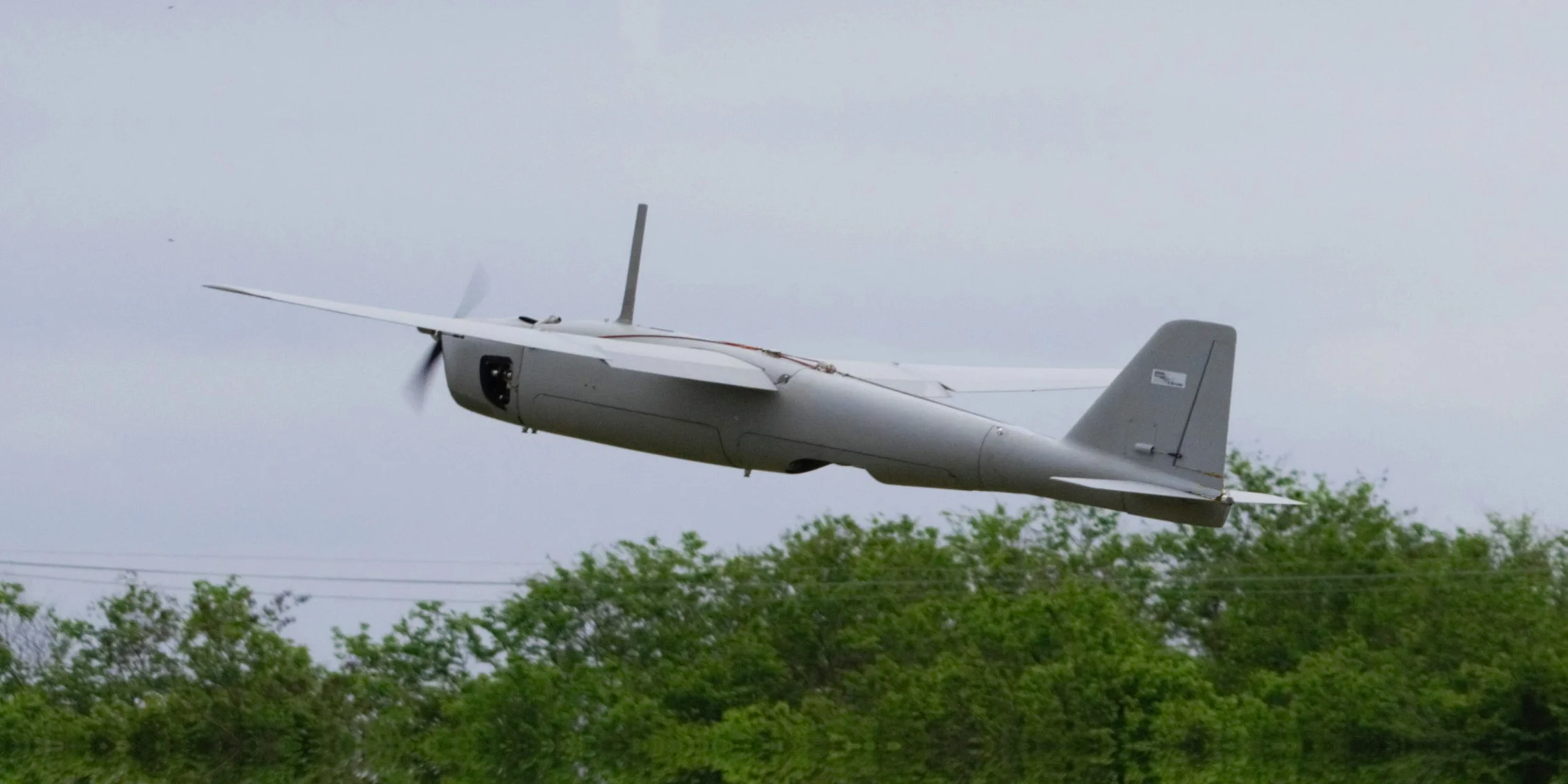
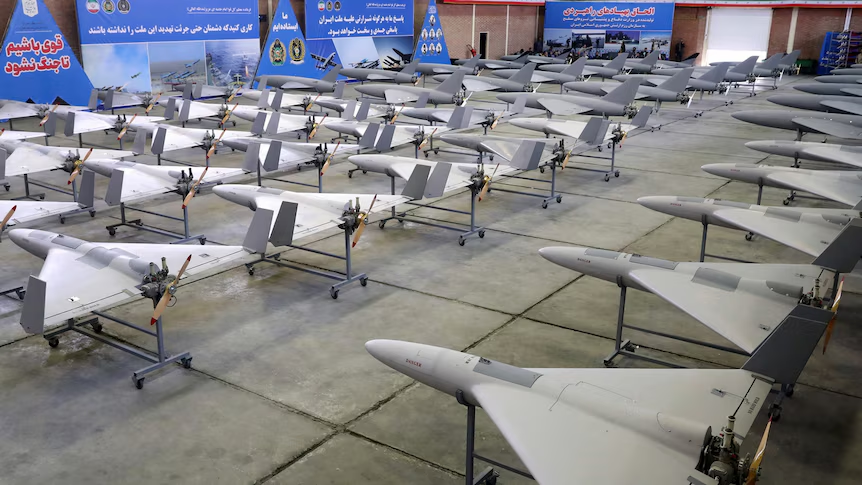
Reports indicate that production has been limited and intermittent due to factory shutdowns and maintenance failures.
Illicit Activities: Support for Terrorist Groups
Hezbollah Networks
Complex networks operate in Venezuela, facilitating money laundering and terrorist financing.
Gold-Based Financing
Venezuelan gold is smuggled to finance the Islamic Revolutionary Guard Corps and Hezbollah through Mahan Air and Conviasa flights.
Passport Issuance
Tareck El Aissami issued more than 10,000 passports to Syrian and Iranian nationals, including individuals linked to Hezbollah.