Oil for Repression
How Venezuela Paid Cuba for Its Own Invasion
For more than two decades, Venezuela traded its most valuable national asset oil for a foreign-designed system of repression, intelligence, and political control run by the Cuban regime.
Oil for Repression reveals how what was presented as "cooperation" became a transactional surrender of sovereignty that only served the regime and not the country.
The Price of Survival
Since 2000, Venezuela has transferred the equivalent of $63.8 billion (2026 USD) to Cuba.
That money could have:
- Rebuilt Venezuela's power and water systems three times over, or
- Funded more than one-third of a modern Marshall Plan.
Instead, it financed the regime's survival through the installation of a repressive state.
A Foreign Security State
In exchange for oil, Cuba embedded its intelligence doctrine deep inside Venezuela's military, police, and intelligence services through the GRUCE (Grupo de Coordinación), a Cuban command structure operating inside Venezuela formally since 2008 within its military, security and intelligence apparatus.
Under this model:
- Security forces stopped protecting citizens and began protecting the regime
- Military intelligence turned inward to monitor and purge dissent
- SEBIN and DGCIM were created as instruments of political repression, not public safety
Venezuela did not just give away its money, it gave control of core components of the State.
The implications of Cuban presence in Venezuela
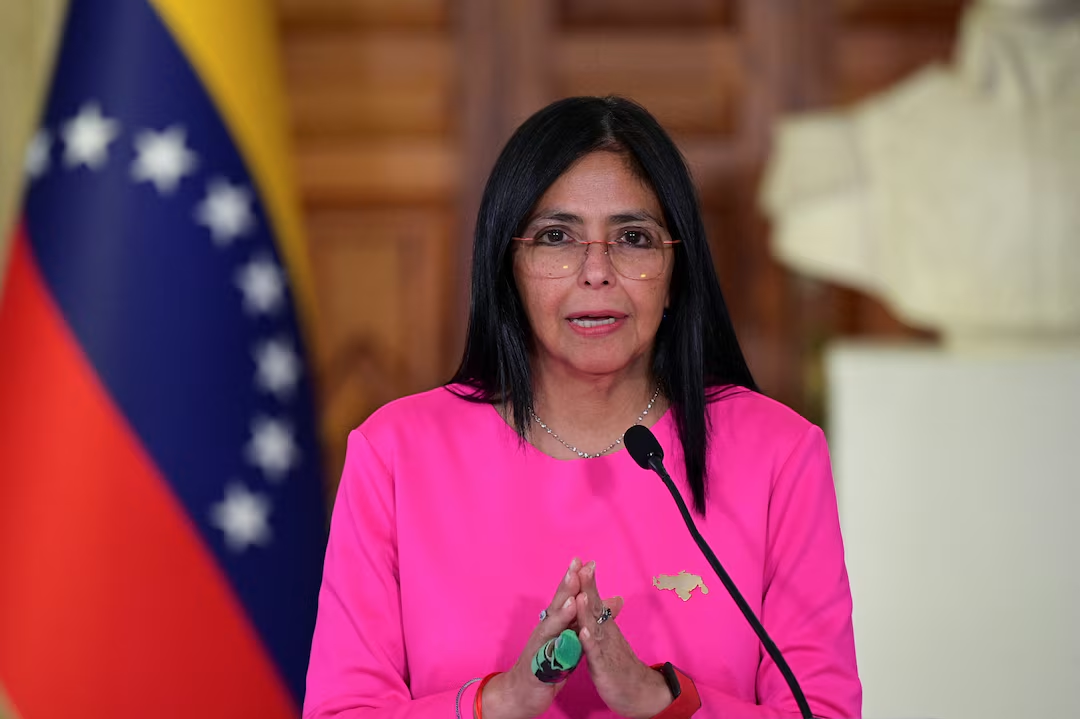
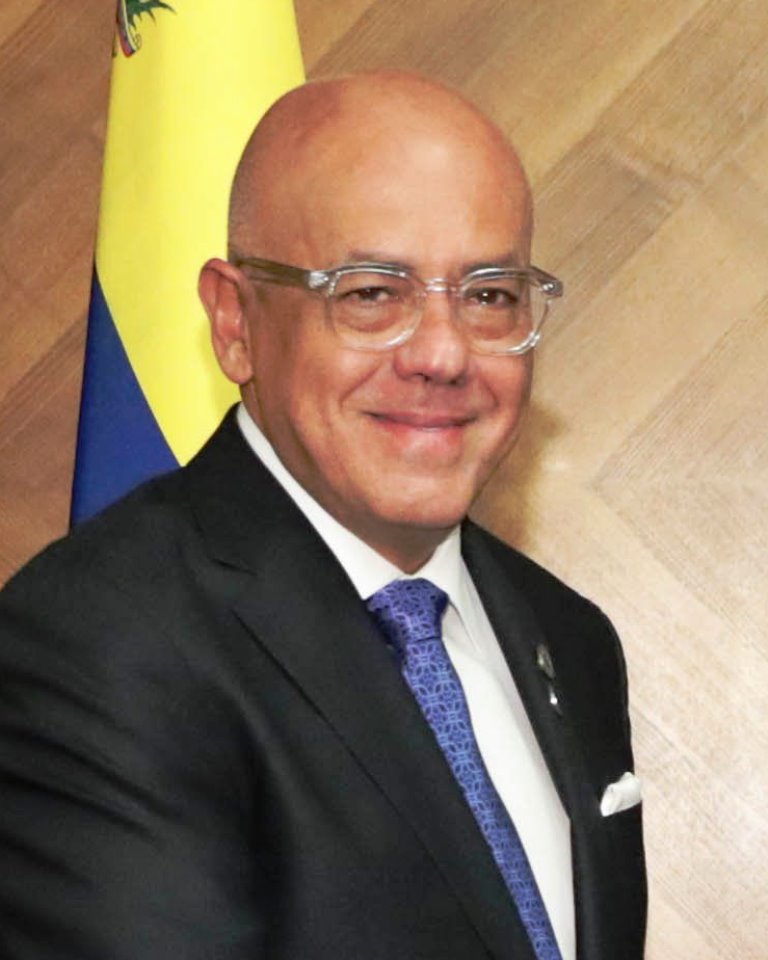
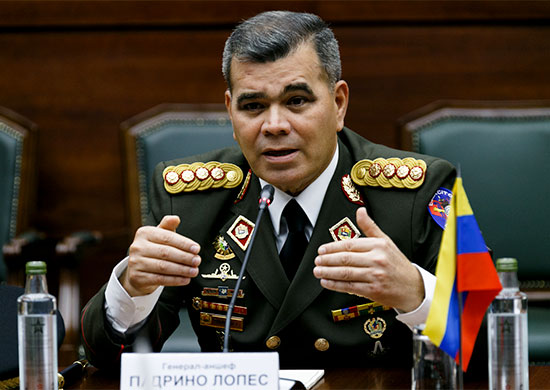
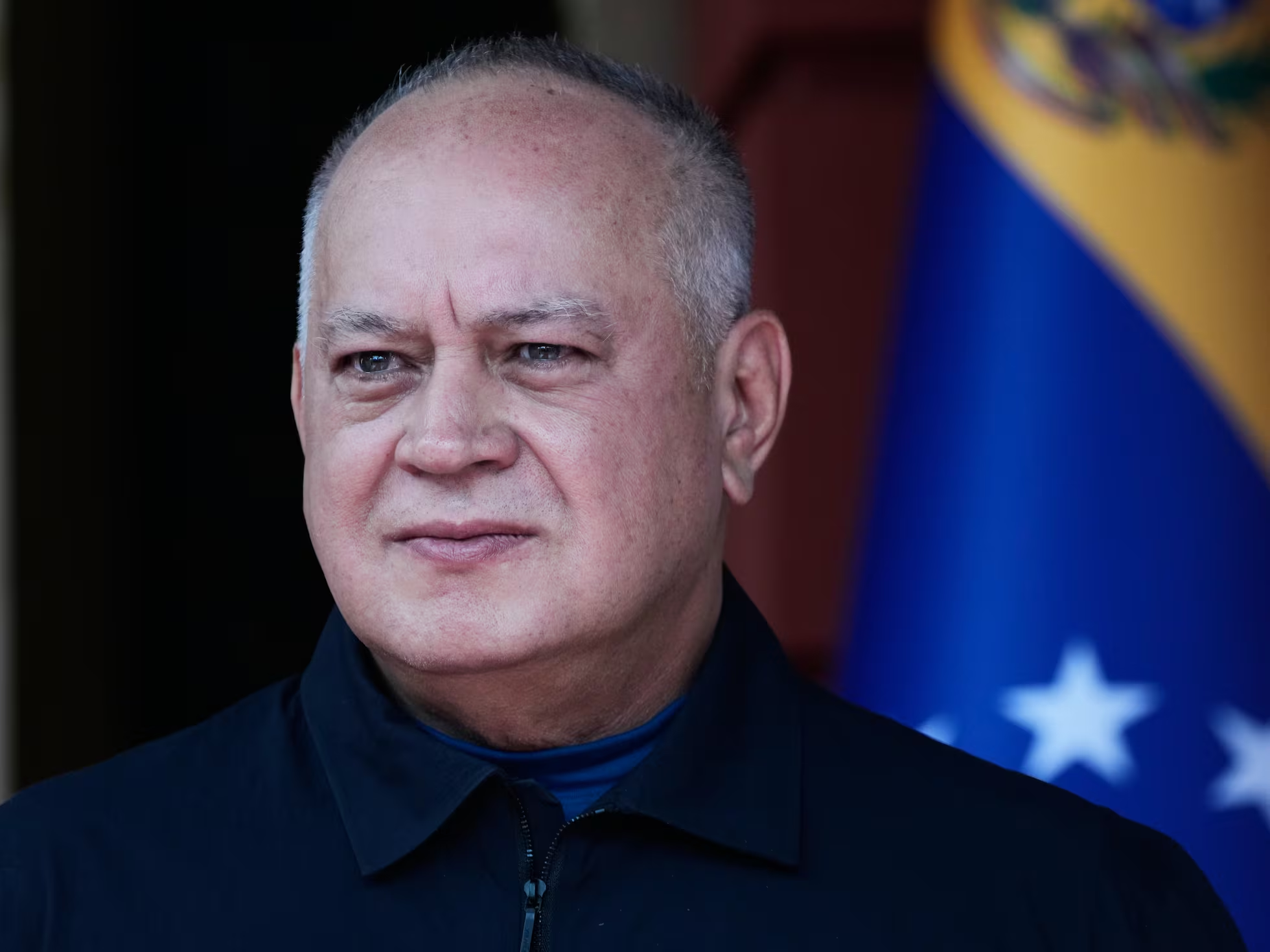
No democratic transition is possible while this foreign-run security architecture remains in place and the people who have enabled and benefited from them, such as:

- The system cannot be reformed—it must be dismantled
- Cutting the oil-for-repression link weakens autocracies in both Caracas and Havana
- Ending this model is a precondition for democracy, sovereignty, and the recovery of freedom and civil rights
Oil for Repression is the first in a series exposing how authoritarian regimes survive by exporting repression and monetizing control.
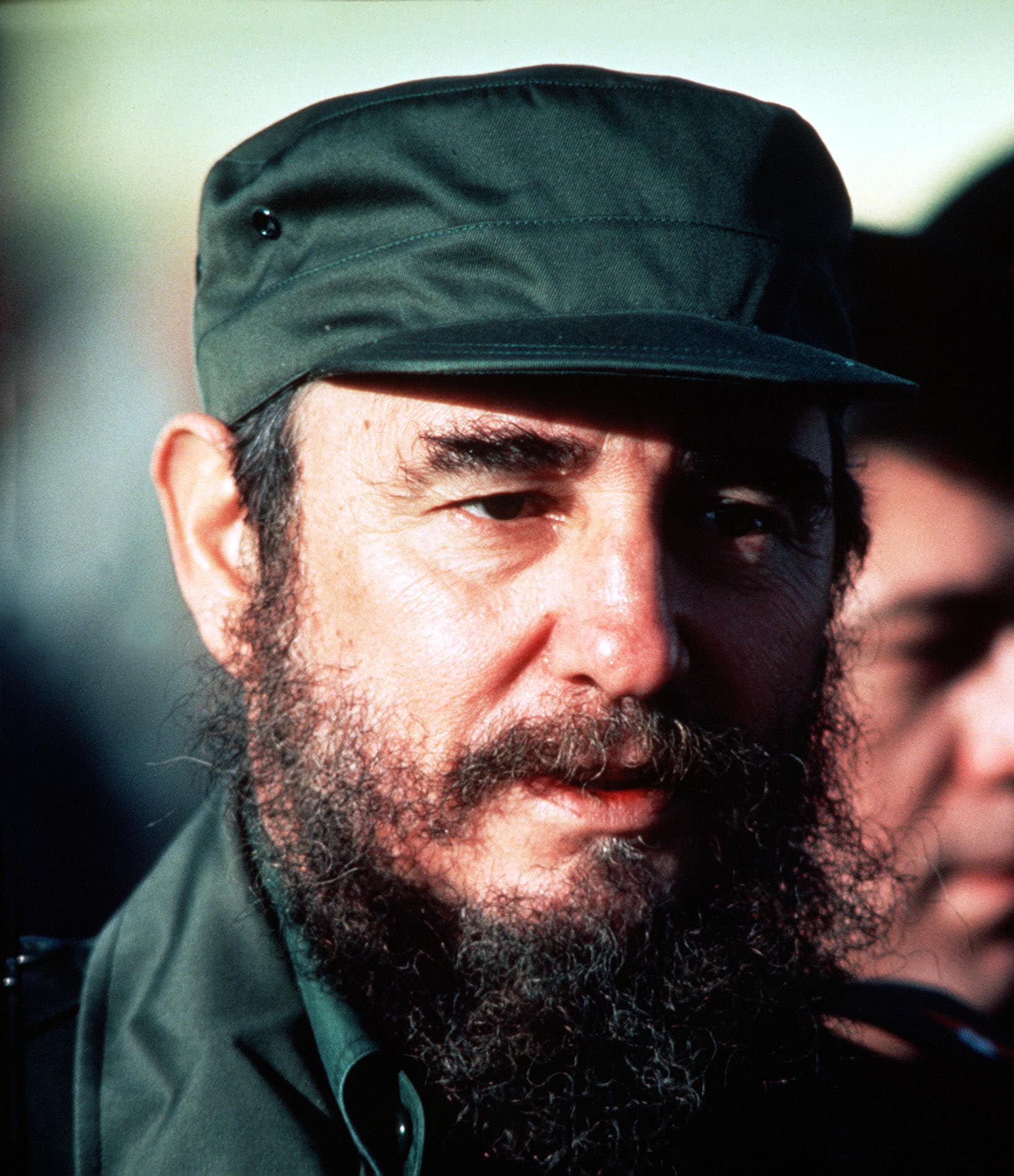
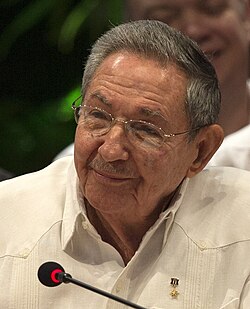
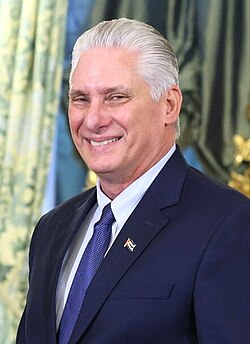
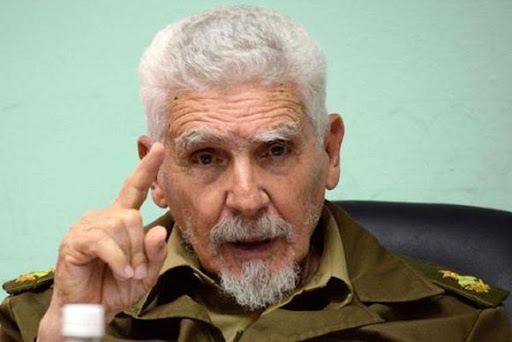
THE CUBAN AXIS
Strategy, Doctrine, and Oversight
Get the Full Report
Download the complete analysis and documentation of Venezuela's oil-for-repression deal with Cuba.
Download Full Report Here